The Timeless Appeal of Nostalgic Dance Music in Modern Club Culture
@getnostalgicdancemusicjournal
November 1, 2026 · 8 min read
There is a moment on every dance floor when a familiar hook cuts through the mix and the room shifts. Strangers lock eyes. Hands go up. For a few seconds, the present dissolves into a shared memory of a song that once defined a summer, a road trip, or a late-night afterparty. That feeling is the engine behind much of what DJs and producers chase today, and it is the reason why nostalgic dance music has become such a powerful force in clubs, festivals, and streaming playlists.
I first noticed this shift about five years ago, standing in a sweaty basement in Berlin. The resident dropped a slowed-down, bass-heavy version of a track I had not heard since high school. The original was a polished Romanian pop-dance hit by Play & Win, the production trio behind some of Eastern Europe’s biggest club anthems of the mid-2000s. But this version was different. The tempo had dropped. The kick drum had softened into a warm pulse. A Rhodes piano loop floated over the top, and the vocal had been stretched into something aching and dreamy. It was not a simple throwback; it was a reinvention. That night, I understood that the best remixes do not just remind you of the past. They rebuild it for the present.
How a Remix Bridges Decades
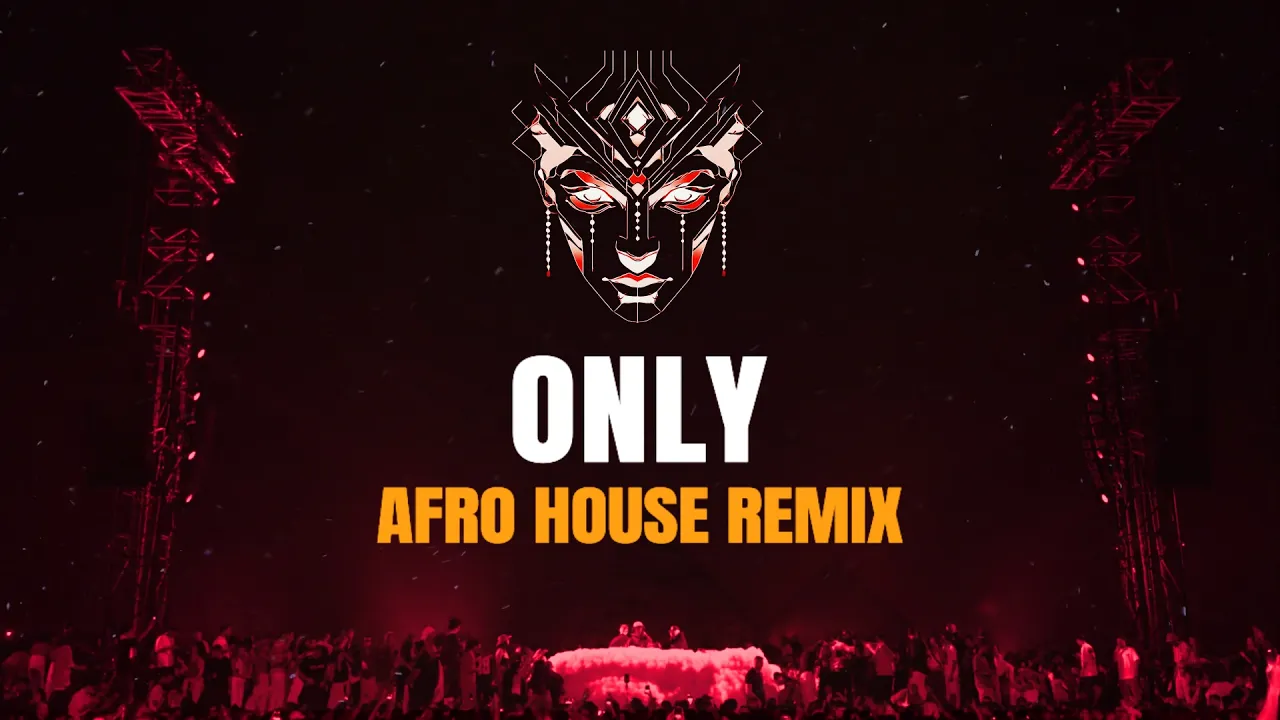
That Berlin moment came back to me recently when I heard what Afro Sense did with Play & Win’s “Only.” The original was already a piece of club history, a track that had dominated Eastern European radio and filled dance floors from Bucharest to Moscow. Afro Sense, a producer known for blending organic house textures with West African rhythms, took that familiar vocal hook and placed it inside an Afro House and Deep House arrangement. The result is not a cover or a simple edit. It is a conversation between two eras.
The remix works because it respects the DNA of the original while changing its environment. The synthesizer lines that once drove the track forward are now layered with hand percussion and a rolling bassline that owes more to Afrobeat than to European pop. The tempo sits comfortably in the 120 BPM range that defines modern melodic house sets. And the vocal, which originally sounded bright and slightly compressed, now feels airy and open, surrounded by reverb and space. This is the kind of treatment that turns a nostalgic dance music track into something that works on a Tulum beach at sunrise or in a London basement at 2 a.m.
The Rise of Afro House and Deep House as Nostalgic Vessels
Afro House and Deep House have become the primary vehicles for this kind of musical time travel. Unlike genres that chase novelty for its own sake, these styles are built on groove, repetition, and atmosphere. They leave room for a melody to breathe. That makes them ideal for repurposing older material.
When a producer like Afro Sense takes a track from the Play & Win catalog and recontextualizes it, they are doing something that club music has always done. The earliest house records in Chicago sampled disco records from the 1970s. The first wave of UK hardcore rave music built on top of Italian house and Belgian new beat. Nostalgic dance music is not a new concept. What has changed is the technology and the global reach. YouTube, Beatport, and DJ Mag have made it possible for a remix created in one corner of the world to become a staple in playlists and sets everywhere else within weeks.
I have watched this happen with tracks I thought were long forgotten. A 1998 trance vocal shows up in a Keinemusik set. A 2002 Latin pop hook gets rebuilt into an Afro House anthem at a Crosstown Rebels showcase. The audience does not need to recognize the original. The emotional weight of the melody carries through regardless. That is the power of the remix as a form: it does not require prior knowledge to work.
Why We Return to Familiar Sounds
There is a psychological dimension here that club culture often overlooks. Dance floors are places of heightened emotion. Dopamine, serotonin, and oxytocin are all in play. When a familiar piece of music enters that environment, it triggers a memory response that amplifies the present experience. The brain does not just hear the song. It also recalls the context in which it first heard it, or at least the emotional tone of that time.
This is why a well-placed nostalgic track can lift a room in ways that a brand new production cannot. It is also why the current wave of Deep House and organic house remixes of older pop and dance tracks feels so effective. The production style is warm and low-pressure. The tempo invites movement without demanding it. The bassline is present but not aggressive. The result is a sound that feels both new and familiar, like a memory you are experiencing for the first time.
I remember a night in Ibiza a few years ago when a DJ dropped a melodic house rework of a Nile Rodgers-produced disco track from the early 80s. The crowd was mixed: young tourists, older club veterans, a few off-duty bartenders. Within thirty seconds, the entire terrace was singing along. Nobody cared that the arrangement was slower and sparser than the original. The groove was right, and the emotional hook was intact. That is the sweet spot that producers like Afro Sense are aiming for.

Practical Lessons for Producers and DJs
If you are a producer or a DJ looking to work with nostalgic dance music, there are a few principles worth keeping in mind. First, choose source material that has a strong melodic or rhythmic hook. Not every old track can be remixed successfully. The ones that work best have a clear, memorable element that can be isolated and rebuilt. Second, be willing to change the tempo and key significantly. A track that originally sat at 130 BPM might need to drop to 118 or 120 to sit comfortably in an Afro House or Deep House context. Third, pay attention to the vocal. If the original vocal is heavily produced with bright compression and heavy reverb, consider stripping it back. A drier, more intimate vocal can feel more present in a modern mix.
One mistake I see often is producers trying to preserve too much of the original arrangement. The remix should feel like a new piece of music, not a cover band version. Cut the elements that do not serve the new groove. If the original had a busy synthesizer line that worked at 130 BPM but feels cluttered at 120, lose it. Replace it with a percussive pattern or a vocal chop. The goal is not to recreate the original; it is to extract its emotional essence and build a new environment around it.
The Role of Platforms and Charts
The rise of platforms like YouTube, Beatport, and DJ Mag has accelerated the lifecycle of these remixes. A track that might have stayed local ten years ago can now find an international audience within days. The Afro Sense remix of “Only” is a good example. It exists as a music video on YouTube, but it also circulates through DJ pools, playlist curators, and social media feeds. The visual component matters too. A well-made music video can reinforce the emotional tone of the remix, giving viewers a visual anchor for the sound.
I have noticed that the most successful nostalgic dance music tracks on these platforms tend to share a few characteristics. They have a recognizable vocal or melody. They sit in a tempo range that works for both home listening and club play. And they are mixed with enough low-end weight to sound good on a sound system. The best ones also leave room for the DJ to work with. A track that has a long instrumental intro or a breakdown section is more likely to get played in a set than one that is dense from start to finish.
What This Means for the Dance Floor
At the end of the day, the test for any remix is the dance floor. Does it make people move? Does it create moments of collective recognition? Does it fit into a set without feeling like a gimmick? The Afro Sense approach to Afro House and Deep House remixing passes that test because it treats the original material with respect while committing fully to a new sonic identity.

I think about that night in Berlin often. The DJ did not announce the track. He did not wave his hands or ask the crowd to recognize it. He just let the remix speak for itself. And the room responded not because they remembered the song, but because the feeling it carried was universal. That is the quiet power of nostalgic dance music. It does not need to be explained. It only needs to be felt.
For club culture to remain vital, it has to keep this kind of dialogue between past and present alive. The genres will change. The tempos will shift. The platforms will evolve. But the basic human need to hear something familiar in a new context, and to share that recognition with strangers on a dance floor, is not going anywhere. As long as there are producers willing to dig through old catalogs and rebuild what they find, there will be rooms full of people ready to move.